
Get Indoor Air Quality Testing in South Jordan, UT
Indoor Air Quality Testing services for property owners in South Jordan, UT, identify issues like pollutants, mold, or ventilation problems through assessments conducted by local professionals.
Indoor air quality testing services are essential for property owners in South Jordan, UT who want to ensure a safe and comfortable living or working environment. By identifying pollutants, allergens, and airborne contaminants, these services help maintain a healthier indoor atmosphere, reducing potential health risks and improving overall safety. Proper testing can also reveal issues that might affect the functionality of HVAC systems, allowing for timely interventions that enhance the durability of heating and cooling equipment.
Many property owners seek indoor air quality testing to boost comfort and curb appeal while minimizing ongoing maintenance. Clear, fresh indoor air contributes to a more inviting space, which can be especially important for homes and businesses aiming to leave a positive impression. Additionally, addressing air quality concerns can lead to fewer repairs and replacements over time, supporting the longevity of building systems and maintaining the property's value.
- Indoor air quality testing services are recommended when residents notice persistent odors or airborne irritants in their homes or workplaces.
- These services are useful for identifying pollutants after renovations or remodeling projects in South Jordan, UT and surrounding areas.
- Air quality testing can help detect allergens, mold spores, or volatile organic compounds that may affect health.
- They are often sought when symptoms like allergies or respiratory issues worsen without an obvious cause.
- Businesses and homeowners may contact local providers to assess indoor air quality during property inspections or before occupancy.

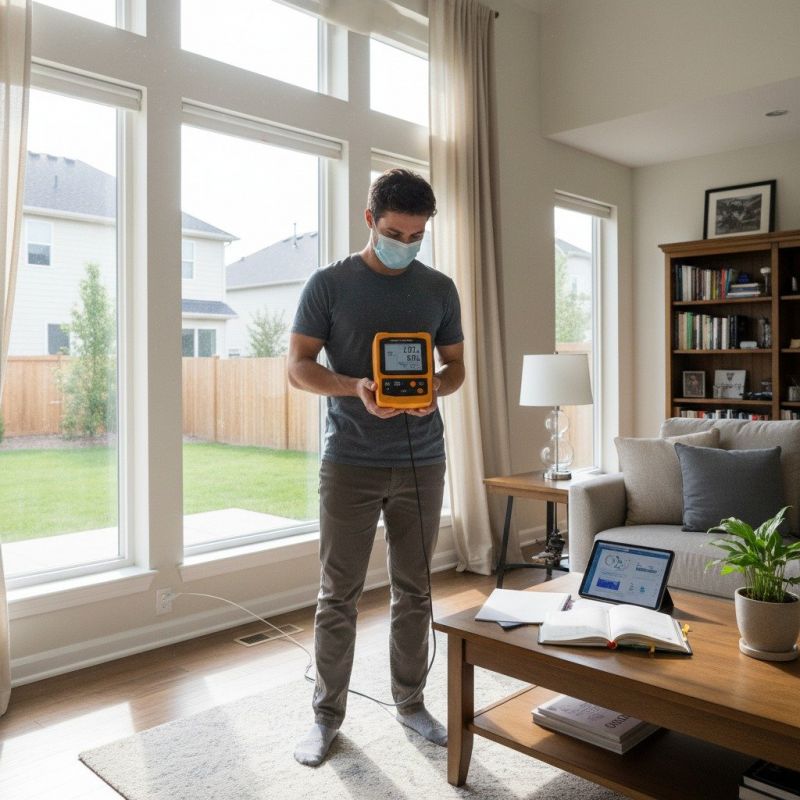

Indoor Air Quality Testing Services
Indoor air quality testing involves evaluating the air within a property to identify potential pollutants, allergens, and contaminants that may affect health and comfort. The process typically includes collecting air samples from different areas of the property and analyzing them for common indoor pollutants such as volatile organic compounds (VOCs), mold spores, dust particles, and airborne chemicals. This testing helps pinpoint sources of poor air quality, enabling property owners to understand the presence of harmful substances and determine appropriate steps for improvement.
These services are particularly valuable in addressing issues like unexplained odors, allergy symptoms, respiratory problems, or persistent mold growth. Poor indoor air quality can stem from various sources, including mold, pet dander, tobacco smoke, household chemicals, or inadequate ventilation. Testing provides a clearer picture of the indoor environment, helping to identify underlying problems that may not be visible or detectable through visual inspection alone. By uncovering hidden pollutants, property owners can take targeted actions to improve air safety and overall indoor comfort.
Indoor air quality testing is commonly utilized in a range of property types, including residential homes, rental apartments, commercial office spaces, and healthcare facilities. Homes with recent renovations, water damage, or mold issues often benefit from testing to ensure the environment is safe for occupants. Commercial properties like offices or retail spaces may also require testing to maintain a healthy workspace and comply with health standards. Additionally, properties used for healthcare or childcare may prioritize air quality testing to safeguard vulnerable populations from airborne contaminants.
Engaging with local professionals for indoor air quality testing ensures accurate assessment and tailored recommendations for improving indoor environments. These specialists utilize advanced testing methods to identify pollutants and assess air quality levels. Property owners seeking to enhance their indoor air environment can contact experienced service providers in their area to explore testing options. Proper testing can be a crucial step toward creating a healthier, more comfortable indoor space.
The overview below groups typical Indoor Air Quality Testing projects into broad ranges so you can see how smaller, mid-sized, and larger jobs often compare in South Jordan, UT.
In many markets, a large share of routine jobs stays in the lower and middle ranges, while only a smaller percentage of projects moves into the highest bands when the work is more complex or site conditions are harder than average.
Initial Testing - The cost for basic indoor air quality testing typically ranges from $200 to $500, depending on the size of the space and the number of tests required. This includes sampling for common pollutants like dust, mold, and volatile organic compounds (VOCs).
Comprehensive Assessments - More detailed testing services can cost between $500 and $1,200. These assessments often include advanced air sampling, laboratory analysis, and detailed reports for indoor environments.
Specialized Testing - Testing for specific issues such as mold, radon, or allergens usually falls within $300 to $800. Prices vary based on the complexity of the testing and the number of samples needed.
Follow-up Testing - Post-remediation or air quality improvement testing typically costs between $150 and $400. This helps verify that indoor air quality standards are met after interventions.
Actual totals will depend on details like access to the work area, the scope of the project, and the materials selected, so use these as general starting points rather than exact figures.
Indoor Air Quality Testing services help identify pollutants and allergens present in residential or commercial indoor environments. Local professionals can assess air samples to determine potential health risks and recommend appropriate solutions.
Mold and Mildew Testing involves detecting mold spores and moisture levels that may contribute to indoor air quality issues. Specialists can pinpoint sources of mold growth and advise on remediation options.
VOC (Volatile Organic Compounds) Testing measures airborne chemicals emitted from household products and building materials. Service providers can identify high VOC levels to improve indoor air safety.
Particulate Matter Testing evaluates dust, pollen, pet dander, and other airborne particles that impact air quality. Local pros can recommend filtration or ventilation improvements based on test results.
Radon Testing detects the presence of radon gas, which can accumulate indoors and pose health concerns. Certified providers can perform tests and suggest mitigation strategies if necessary.
Air Quality Monitoring services offer ongoing assessment of indoor air conditions to track changes over time. Professionals can install monitoring devices and interpret data to maintain healthy indoor environments.

Indoor air quality testing services vary in experience among local providers. Some professionals have extensive backgrounds in evaluating air quality, utilizing a range of testing methods to identify pollutants, allergens, and other airborne concerns. When comparing options, homeowners may want to inquire about the number of years a provider has been performing indoor air testing and the types of environments they have experience with, such as residential homes or specialized spaces. This can help ensure that the selected service provider has the relevant background to address specific indoor air concerns effectively.
Clear communication and well-defined expectations are important factors when selecting a local indoor air quality testing provider. Reputable professionals typically provide detailed information about the testing process, what homeowners can expect during the assessment, and how results will be delivered. Transparency about the scope of testing and any follow-up recommendations helps homeowners make informed decisions and understand what services are included. It is also beneficial to work with providers who are responsive and willing to answer questions, ensuring that expectations are aligned from the outset.
References and reputation are key considerations when evaluating local indoor air quality testing services. Homeowners can seek out providers with positive references or reviews from previous clients, which can offer insight into the quality of service and professionalism. Reputable providers often have established relationships within the community and are known for consistent, reliable work. While the site introduces local options, it does not endorse specific businesses but encourages homeowners to review references and reputation as part of their decision-making process to find a trusted service provider for indoor air quality testing needs.
Property owners in South Jordan, UT use Indoor Air Quality Testing services for practical projects around their homes and businesses. The sections below highlight everyday jobs and straightforward project options.
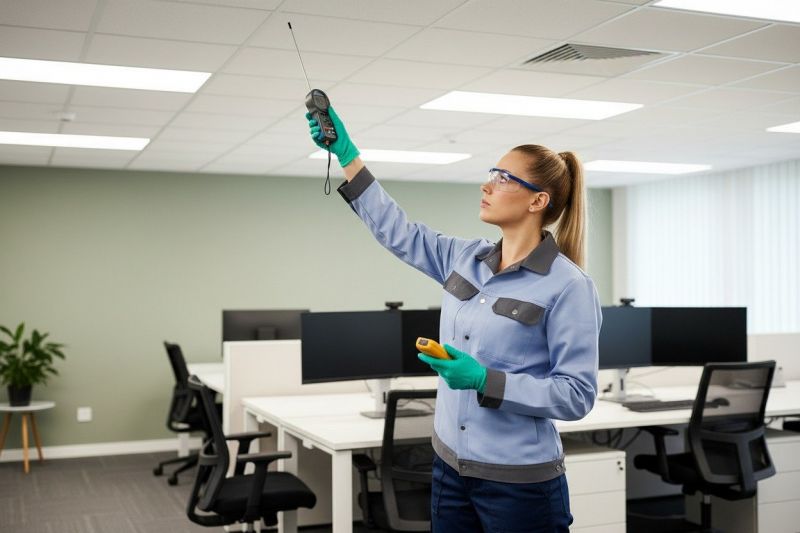
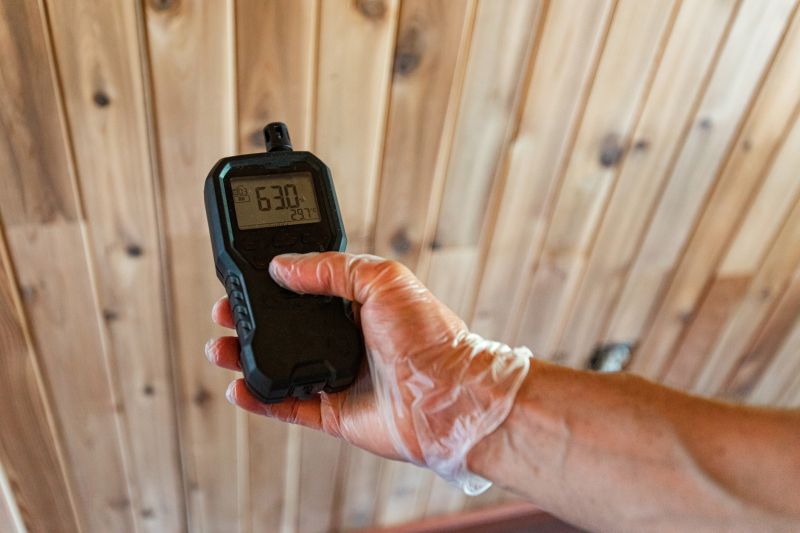
Indoor air quality testing services are commonly sought by property owners in South Jordan, UT who want to ensure a healthy living or working environment. Whether there are concerns about persistent odors, visible mold growth, or recent renovations that may have introduced airborne contaminants, testing can help identify potential issues. Homeowners and business owners often turn to local professionals to assess indoor air for pollutants such as allergens, volatile organic compounds (VOCs), or mold spores, especially when experiencing unexplained health symptoms or noticing a decline in air quality.
In addition to addressing immediate health concerns, property owners may pursue indoor air quality testing as a preventative measure. For instance, during property inspections or before purchasing a new home, testing can reveal hidden problems that might not be visible to the naked eye. Local service providers can offer insights into potential sources of indoor air pollution, helping property owners make informed decisions about necessary improvements or remediation efforts to maintain a safe and comfortable environment.
What is indoor air quality testing? Indoor air quality testing involves assessing the levels of pollutants and allergens in a building’s air to identify potential health risks.
Why should I consider indoor air quality testing? Testing can help detect pollutants that may cause allergies, respiratory issues, or other health concerns, ensuring a healthier indoor environment.
What types of contaminants can indoor air quality testing identify? Tests can detect mold spores, airborne chemicals, dust, pet dander, and other common indoor pollutants.
How often should indoor air quality testing be performed? The frequency depends on factors like recent renovations, suspected mold growth, or health symptoms, but a professional can advise on appropriate timing.
How can I find local indoor air quality testing providers? Contact local service providers to schedule testing and receive professional assessments tailored to your indoor environment.
Indoor Air Quality Testing services help identify pollutants and allergens present in residential or commercial spaces. Local professionals can assess air quality to ensure a healthier indoor environment.
Air Quality Monitoring provides ongoing testing to detect fluctuations in indoor air contaminants over time. Contact local providers to discuss options for continuous or periodic testing.
VOC and Mold Detection specialists can pinpoint sources of volatile organic compounds and mold growth that may impact indoor air quality. Reach out to local experts for targeted testing solutions.
Indoor Air Quality Consultations offer guidance on improving air quality based on testing results. Connect with local service providers to explore tailored recommendations.
Considering Indoor Air Quality Testing for a property in South Jordan, UT? The sections above highlight common project types, practical options, and details that often shape the scope of work.
When you are ready, use the quote form to share a few details about your project. Local pros can review the basics and respond with options that match what you have in mind.